


Tariffs Aren’t Just a Big Business Problem—They’re a Growing Business Wake-Up Call
When most entrepreneurs hear the word “tariffs,” their first instinct is to tune out. It sounds like something only multinational corporations need to worry about. After all, you’re not importing crates of steel or negotiating with customs officials in Shanghai—right?
But here’s the hard truth:
Tariffs hit small and mid-sized businesses the hardest.
You’re working with leaner margins, tighter cash flow, and smaller teams. That means any unexpected cost—especially one baked into your supply chain—can erode your profits before you even see it coming.
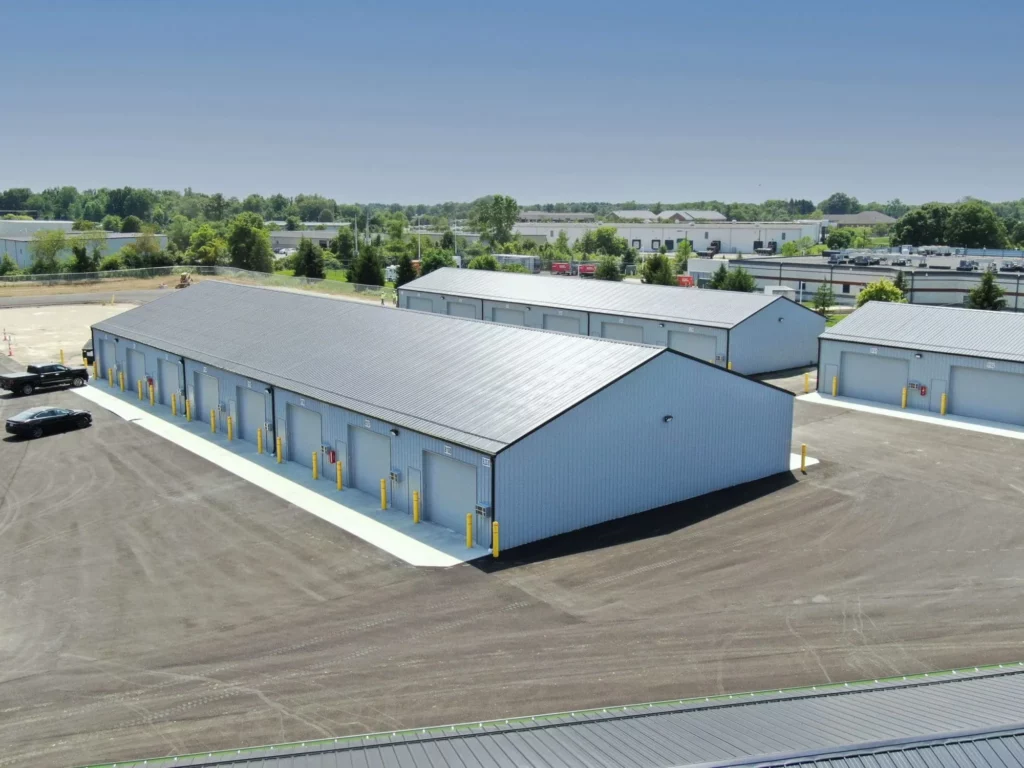
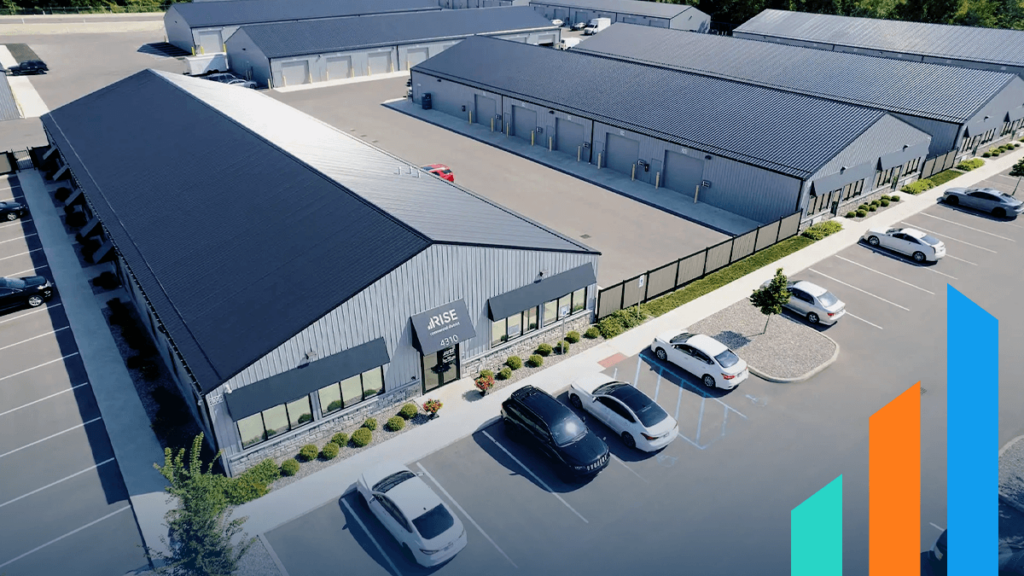
And if you’re leasing space, managing inventory, or fulfilling customer orders out of a small warehouse or flex space like RISE Commercial District, understanding your total landed cost isn’t just a good idea—it’s essential to survival.
The 5 Most Common Tariff Mistakes Small Businesses Make
Let’s break down the five most frequent—and costly—mistakes we see growing business owners make when it comes to tariffs.
1. Only Looking at Product Cost
It’s tempting to focus on the price on the invoice—but tariffs don’t just apply to the product itself.
Tariffs affect your total landed cost, which includes:
- Shipping and freight
- Insurance
- Packaging
- Customs clearance fees
- Handling and port charges
Learn more about what’s included in landed cost here from U.S. Customs and Border Protection.
2. Over-Relying on Freight Forwarders or Brokers
Look—we’re not saying ditch your freight team. They’re a key part of your supply chain.
But assuming they’ll catch every detail about tariff rates or HS codes is risky. They’re not responsible for your profit and loss statement—you are.
Get familiar with how duties and classifications work via this guide from Export.gov, so you’re not flying blind.
3. Misclassifying Products (and Paying the Price)
Every product is assigned a Harmonized System (HS) code that determines how much duty you owe.
But use the wrong code? You could end up overpaying—or violating customs rules.
Use tools like the HTS (Harmonized Tariff Schedule) from the U.S. International Trade Commission or search past rulings in CROSS to confirm your codes are accurate.
Pro Tip: Always double-check your HS codes, especially when launching a new product, changing suppliers, or entering a new market.
4. Skipping Cash Flow Forecasting
Tariffs can spike without warning. And if your cash flow forecast doesn’t account for that variability, you could find yourself short when it matters most.
Maybe you’re ordering more inventory to prep for a busy season. Maybe you’ve just leased a bigger space to scale. Either way, every dollar matters.
Use tools like SCORE’s free cash flow forecast template to build out realistic models—and visit the SBA’s guide to financial planning here.
5. Avoiding Tough Conversations With Customers
Rising costs often lead to price adjustments. But if you’re not proactively communicating why your prices are going up, customers may see it as a bait-and-switch.
Be upfront. Say something like:
“We’re adjusting pricing slightly due to international shipping costs and tariffs. We’re still committed to offering the best value—and we’ll continue to communicate transparently.”
Need help with the wording? This HubSpot guide has tips on how to roll out price changes the right way.
What Smart Business Owners Are Doing Instead
Here’s how you can stay in control—without needing a trade attorney or a PhD in customs policy.
Step 1: Audit Your HS Codes and Tariff Rates
Even if someone else “handles that,” you should know what rates apply to your core products.
Double-check yours on the official HTS database.
Step 2: Reevaluate Your Sourcing Strategy
Can you shift production or sourcing to countries with better trade agreements?
Check out this resource from the Department of Commerce for countries with favorable U.S. trade terms.
Step 3: Run Tariff-Adjusted Cash Flow Scenarios
Build out a few “what-if” models that include tariff increases of 5–25%. This gives you a buffer and a plan, not just a panic attack when rates spike.
Step 4: Explore Tariff Engineering
This isn’t just for big brands. Sometimes a small tweak to your product—like changing materials, packaging methods, or assembly locations—can drastically lower your duty rate.
Step 5: Get Ahead of the Customer Conversation
Use your website, emails, and order confirmations to communicate with clarity and confidence. Customers are more understanding than you think—when you loop them in early.
You Don’t Need to Know Everything—You Just Need the Right Plan
Tariffs might be one of the least glamorous parts of running a business—but they’re also one of the most dangerous if ignored.
At RISE, we work with all kinds of product-based businesses—from ecommerce brands fulfilling orders in our small warehouses, to service pros with just-in-time inventory.
And we’ve seen how tariffs can quietly kill momentum.
But we’ve also seen how quickly things turn around with a little insight and a solid strategy.
If you’re growing your business and unsure how tariffs might be affecting your bottom line—
Let’s talk.
No jargon. No overwhelm. Just clear, honest answers to help you stay profitable and confident.